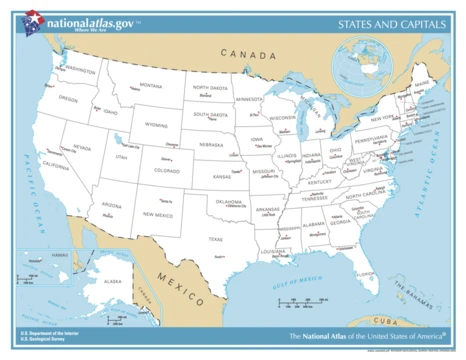
Little Rock, Arkansas
Capital of Arkansas and site of 1957 school desegregation crisis.

via Wikipedia: Little Rock, Arkansas · see source
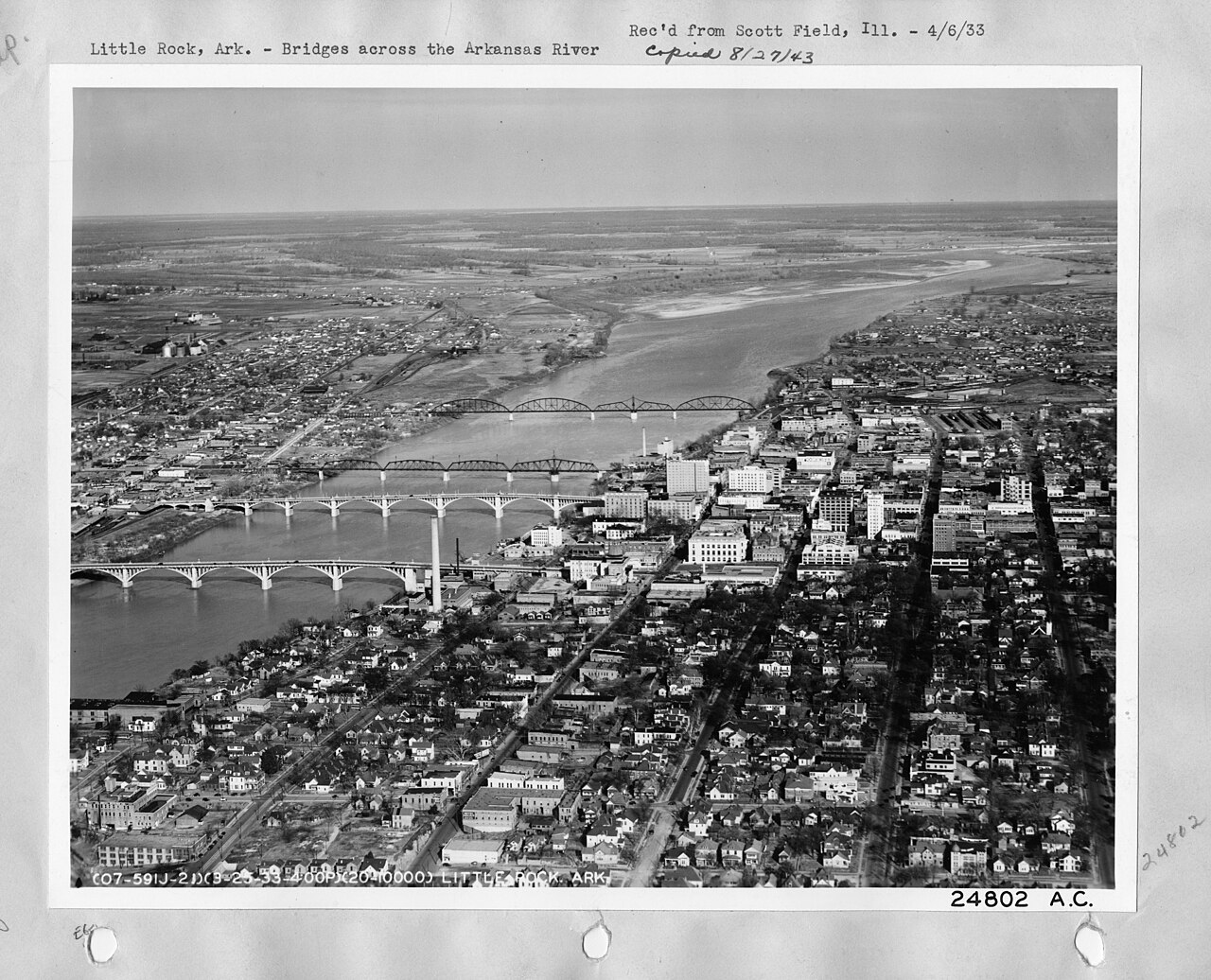
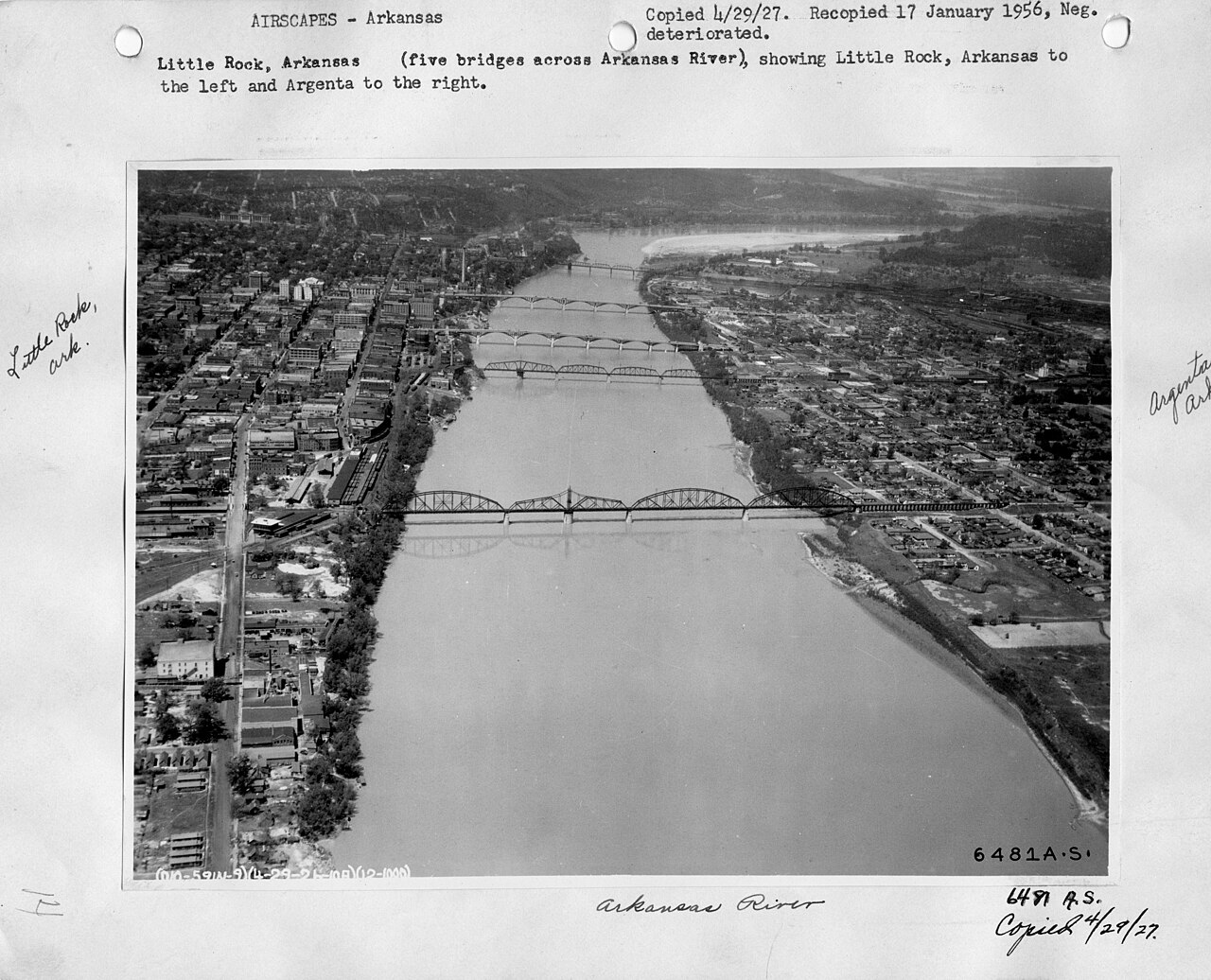
Little Rock is the capital and most populous city of the U.S. state of Arkansas. It was founded in 1821 as the capital of the Arkansas Territory and is named for a rock formation along the Arkansas River called the 'Little Rock' by French explorer Jean-Baptiste Bénard de la Harpe in 1722. The city played a notable role in U.S. history during the 1957 desegregation of Little Rock Central High School, a key event in the Civil Rights movement. The population was 202,591 at the 2020 census, while the Little Rock metropolitan area had an estimated 770,000 residents, making it the 81st-most populous metropolitan area in the United States. The city lies on the south bank of the Arkansas River close to the state's geographic center in central Arkansas and is the county seat of Pulaski County.
- Founded
- 1821
- Population (2020 census)
- 202,591
- Metropolitan area population (2020 estim
- 748,031
- State
- Arkansas
- County
- Pulaski County
- Known for
- 1957 desegregation of Little Rock Central High School
Verified Timeline
Lore & Background
Little Rock was named for a stone outcropping on the Arkansas River used as a landmark by early travelers. The name was given in 1722 by French explorer Jean-Baptiste Bénard de la Harpe. The territorial capital was originally at Arkansas Post in Southeast Arkansas, but frequent flooding led the legislature to move the capital to Little Rock in 1820, after land speculators had purchased lots there. The city has remained the capital ever since. In 1957, nine African American students—the Little Rock Nine—attempted to desegregate Little Rock Central High School after the school board voted to comply with Brown v. Board of Education. On September 4, 1957, a mob of white segregationist protesters physically blocked the nine black students from entering the school. Governor Orval Faubus deployed the Arkansas National Guard to support the segregationists, but federal district judge Ronald Davies issued an injunction compelling Faubus to withdraw the Guard. President Dwight D. Eisenhower, on the request of Little Rock's mayor Woodrow Wilson Mann, deployed the 101st Airborne Division to the city and federalized the Arkansas National Guard to protect the students. Little Rock's four public high schools were closed in September 1958 and reopened a year later. Integration across all grades was not fully achieved until the fall of 1972.
Reader's Guide
Little Rock's significance stems from its role as the capital of Arkansas and as a focal point of the Civil Rights movement. The 1957 desegregation crisis at Central High School drew international attention to racial segregation in the United States and marked a pivotal moment in the struggle for equal rights. The city's economy is supported by healthcare, banking, transportation, and retail, with headquarters of companies such as Dillard's and Windstream Holdings. The University of Arkansas for Medical Sciences contributes to its healthcare and research sectors. Cultural sites include the Arkansas Museum of Fine Arts, the Clinton Presidential Center, and the Quapaw Quarter. Outdoor recreation is available along the Arkansas River Trail and at Pinnacle Mountain State Park. Little Rock lies on the south bank of the Arkansas River in central Arkansas, within the humid subtropical climate zone. The city has a total area of 116.8 square miles (303 km2), of which 116.2 square miles (301 km2) is land and 0.6 square miles (1.6 km2) (0.52%) is water.
Did You Know?
- Little Rock was named in 1722 by French explorer Jean-Baptiste Bénard de la Harpe for a stone outcropping on the Arkansas River.
- The territorial capital was moved from Arkansas Post to Little Rock in 1820 due to frequent flooding of the Arkansas River.
- In 1957, President Dwight D. Eisenhower deployed the 101st Airborne Division to protect the Little Rock Nine during desegregation.
- The city experienced a record 81 homicides in 2022, the highest on record.
A River Landmark Becomes a Capital
Long before any permanent settlement took root, a modest stone outcropping along the Arkansas River served as a natural waypoint for travelers crossing from the flat Mississippi Delta into the foothills of the Ouachita Mountains. In 1722, French explorer and trader Jean-Baptiste Bénard de la Harpe gave the formation its enduring nickname, the "Little Rock," and the name stuck for centuries. When the Arkansas Territory needed a new capital—Arkansas Post had proven too vulnerable to river flooding—a St. Louis land speculator who had already acquired parcels near the rock lobbied the territorial legislature in early 1820. After a deadlock with the governor's preferred site of Cadron, the issue was tabled until October, by which point most legislators had bought their own lots around the rock. The capital moved to Little Rock in 1821 and has never left. A brief attempt to rename the city "Arkopolis" appeared on a handful of early maps but never gained traction, and the French-derived name remained the city's identity.
The Little Rock Nine and Federal Intervention
On September 4, 1957, nine African American students—Minnijean Brown, Terrence Roberts, Elizabeth Eckford, Ernest Green, Thelma Mothershed, Melba Patillo, Gloria Ray, Jefferson Thomas, and Carlotta Walls—arrived at Little Rock Central High School to begin the first day of integration, a step mandated by Brown v. Board of Education. A segregationist mob physically barred their entry, and Governor Orval Faubus compounded the crisis by deploying the Arkansas National Guard to keep the students out. Only after federal district judge Ronald Davies issued a court order did Faubus withdraw the Guard. When the students finally entered, angry crowds erupted into rioting. At the urging of Mayor Woodrow Wilson Mann, President Dwight D. Eisenhower federalized the National Guard and sent the 101st Airborne Division into the city to escort the nine safely to their classrooms. The episode drew worldwide attention to racial injustice in America. All four public high schools were shuttered in September 1958 and reopened the following year, yet full integration across every grade level was not realized until the fall of 1972.
Terrain, Water, and Weather
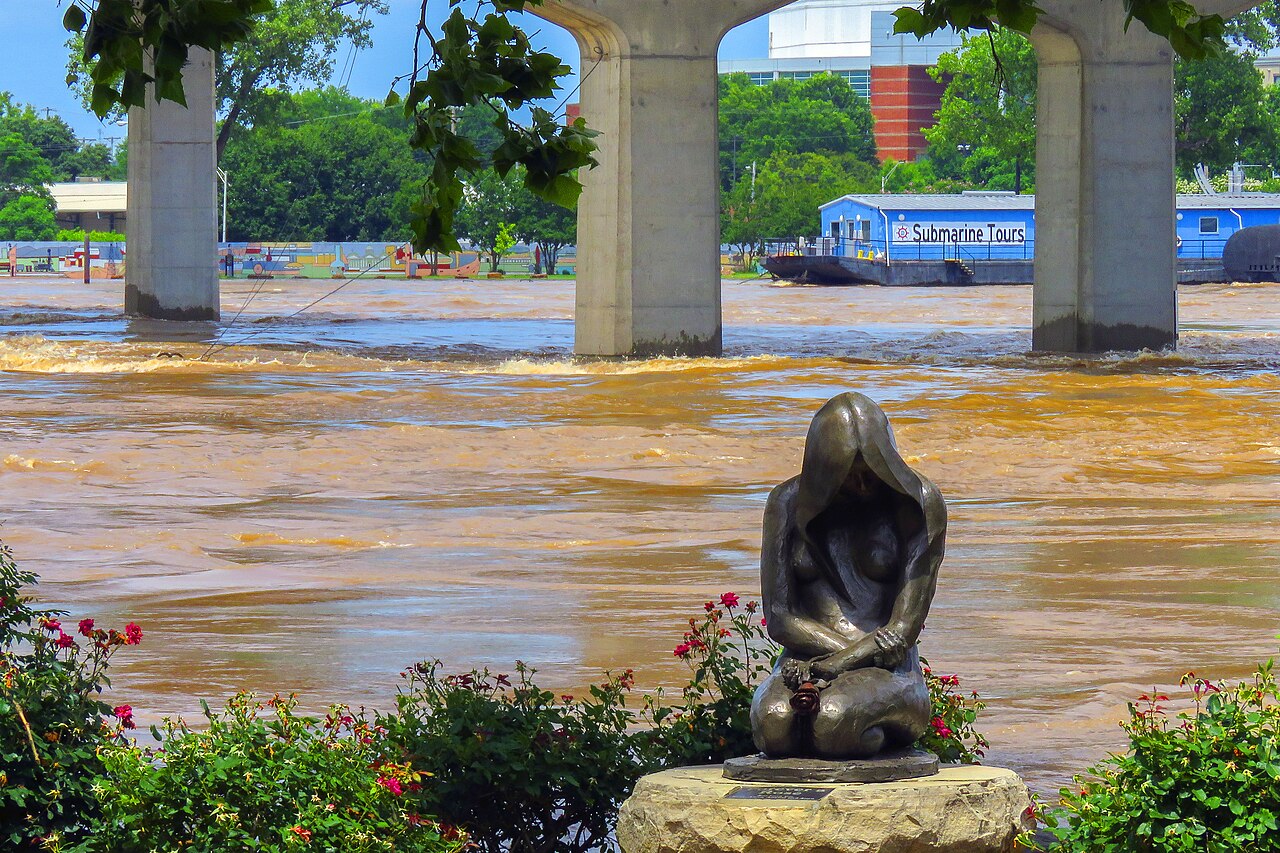
Little Rock sits on the south bank of the Arkansas River, roughly at the geographic heart of the state, with its western edge dipping into the foothills of the Ouachita Mountains. Two smaller waterways, Fourche Creek and Rock Creek, thread through the city before emptying into the river. Just northwest of the city limits, Pinnacle Mountain rises as a prominent natural landmark, and Lake Maumelle serves as the municipal drinking-water reservoir. The city spans 116.8 square miles, of which only about half a square mile is open water. Climate-wise, Little Rock falls squarely in the humid subtropical zone: summers are long, hot, and muggy, while winters stay relatively mild with little snowfall. The recorded extremes stretch from a bone-chilling minus twelve degrees Fahrenheit on February 12, 1899, to a sweltering 114 degrees on August 3, 2011. Across the river, North Little Rock—once the city's own eighth ward before a 1904 Supreme Court ruling allowed it to merge with a neighboring town—remains a separate municipality.
Economy, Culture, and the Wider Metro
Little Rock functions as the economic and governmental engine of Arkansas, supported by a diversified mix of healthcare, banking, transportation, and retail sectors. National companies Dillard's and Windstream Holdings maintain their headquarters here, while the University of Arkansas for Medical Sciences anchors the city's medical-research and academic profile. Culturally, residents can explore the Arkansas Museum of Fine Arts, the Clinton Presidential Center, and the historic Quapaw Quarter, each offering a different window into the region's heritage. For outdoor recreation, the Arkansas River Trail and Pinnacle Mountain State Park provide accessible green spaces within easy reach of downtown. The city's 2020 population stood at 202,591, but the broader Little Rock metropolitan area, estimated at roughly 770,000 residents, ranks as the 81st-largest metro in the nation. A median age of 37.2 and the fact that nearly 99 percent of residents live in urban areas underscore the city's role as a compact, connected hub in the American South.
Gallery

Frequently Asked Questions
Who is Little Rock, Arkansas?
Little Rock is the capital and most populous city of Arkansas, sitting in Pulaski County along the Arkansas River. With a 2020 population of roughly 202,591, it anchors a metropolitan area that stretches past 748,000 residents.
What are Little Rock, Arkansas's powers and role?
As the seat of Arkansas state government, Little Rock hosts the legislature, the governor's office, and the state supreme court. It is where all major policy decisions for the state are made and where the state's administrative machinery operates.
How does Little Rock, Arkansas's story end?
It doesn't end—Little Rock remains a living, growing capital that continues to serve as Arkansas's political heart. Its legacy as the site of the 1957 Central High School desegregation keeps its narrative alive in the national memory of the Civil Rights era.
Why is Little Rock, Arkansas important?
The city is best known nationally for the 1957 desegregation crisis at Little Rock Central High School, a turning point in the fight for racial equality in the United States. It also holds the distinction of being Arkansas's original territorial capital, established back in 1821.
Where does the name 'Little Rock' come from?
The name goes back to 1722, when French explorer Jean-Baptiste Bénard de la Harpe spotted a notable rock outcropping along the Arkansas River and dubbed it the 'Little Rock.' The settlement that became the city in 1821 simply inherited that landmark's name.
More in American State Capitals 1-18
Spotted an error? Know more?
This is a living reference — every entry is fact-audited, and reader corrections feed straight into our audit queue. Suggest an edit · See this site's audit record