Juneau, Alaska
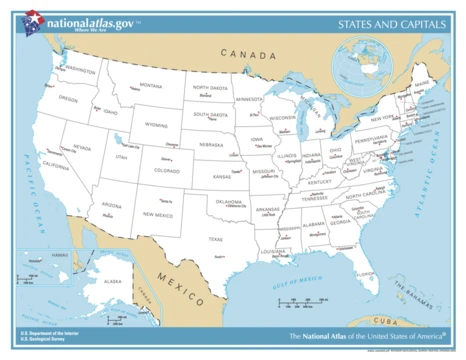
Alaska's capital, accessible only by air or sea.

via Wikipedia: Juneau, Alaska · see source
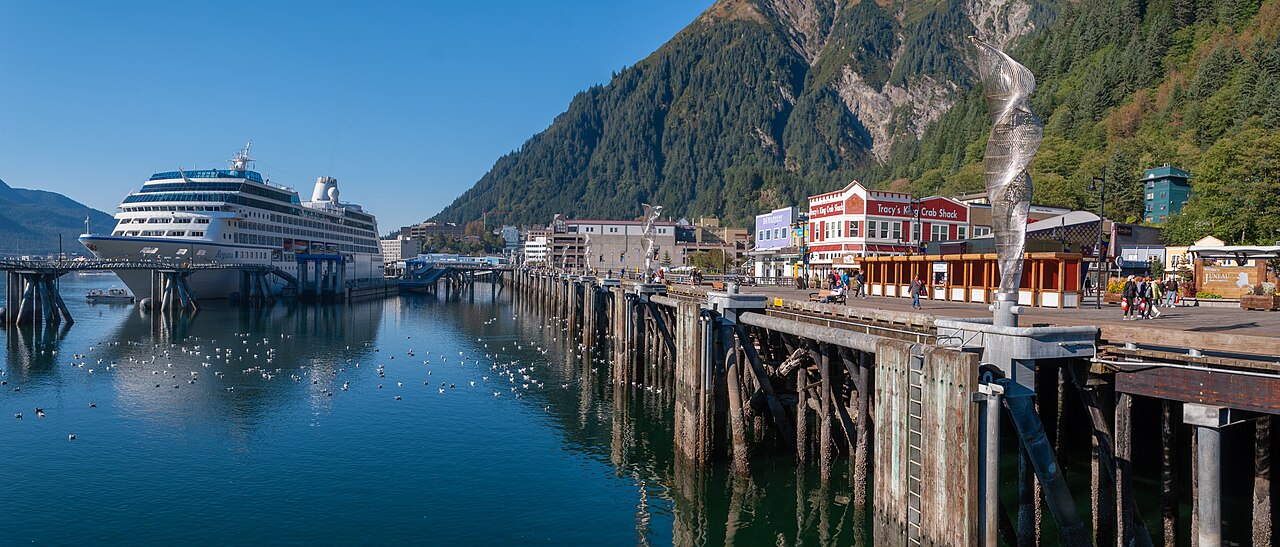
Juneau (JOO-noh; Tlingit: Dzántik'i Héeni [ˈtsʌ́ntʰɪ̀kʼɪ̀ ˈhíːnɪ̀] transl. Base of the Flounder's River), officially the City and Borough of Juneau, is the capital of the U.S. state of Alaska, located along the Gastineau Channel in Southeast Alaska. Juneau was named the capital of Alaska in 1906, when the government of what was then the District of Alaska was moved from Sitka as dictated by the U.S. Congress in 1900. On July 1, 1970, the City of Juneau merged with the City of Douglas and the surrounding Greater Juneau Borough to form the current consolidated city-borough, which ranks as the second-largest municipality in the United States by area and is larger than both Rhode Island and Delaware. Downtown Juneau is nestled at the base of Mount Juneau and across the channel from Douglas Island. As of the 2020 census, the City and Borough had a population of 32,255, making it the third-most populous city in Alaska after Anchorage and Fairbanks, but the sixth-least populous U.S. state capital. Juneau experiences a daily influx of 16,000 people or more from visiting cruise ships between the months of May and September. The city is named after a gold prospector from Quebec, Joe Juneau, although it was once called Rockwell and then Harrisburg (after Juneau's co-prospector, Richard Harris). Juneau is unique among U.S. state capitals in that there are no roads connecting the city to the rest of the state or to the contiguous United States. Honolulu, Hawaii, is the only other state capital which is not connected by road to the contiguous United States. The absence of a road network is due to the extremely rugged terrain surrounding the city. In turn, Juneau is a de facto island city in terms of transportation; all goods coming in and out must be transported by plane or boat despite the city's location on the Alaskan mainland.
- Indigenous name
- Dzántik'i Héeni (Tlingit: 'Base of the Flounder's River')
Verified Timeline
Lore & Background
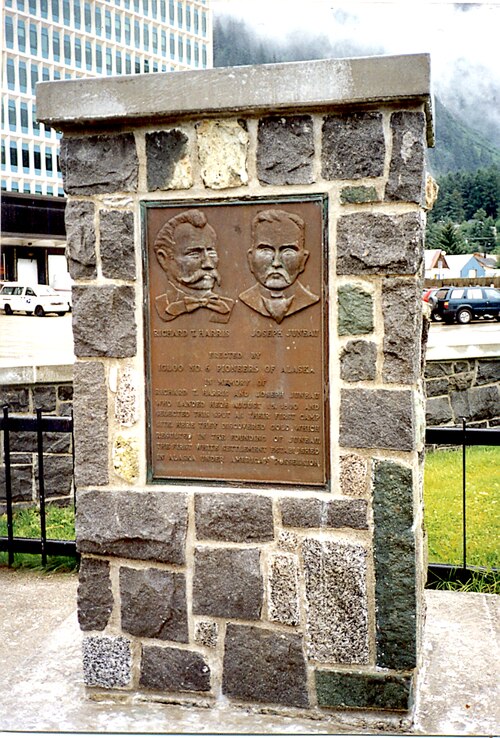
The Gastineau Channel was a fishing place for the Auke (A'akw Kwáan) and Taku tribes, who had inhabited the surrounding area for thousands of years. The A'akw Kwáan had a village and a burying ground here, known in the 21st century as Indian Point. They annually harvested herring during the spawning season. The first European to see the Juneau area was Joseph Whidbey, master of the Discovery during George Vancouver's 1791–95 expedition. He and his party explored the region in July–August 1794. Early in August he viewed the length of Gastineau Channel from the south, noting a small island in mid-channel. He later recorded seeing the channel again from the west, saying it was unnavigable, being filled with ice. After the California gold rush, miners migrated up the Pacific Coast. In 1880, Sitka mining engineer George Pilz offered a reward to any local native who could lead him to gold-bearing ore. A local native arrived with some ore, and several prospectors were sent to investigate. Pilz sent Joe Juneau and Richard Harris back to the Gastineau Channel, directing them to go to Snow Slide Gulch (the head of Gold Creek). According to the Rev. Samuel Young in his book *Alaska Days with John Muir*, Juneau and Harris decided to explore their party's campsite at the creek head in the summer of 1879. They found nuggets 'as large as peas and beans' there, in Harris' words. On October 18, 1880, the two men marked a 160-acre town site and soon a mining camp sprang up. It was the first European American settlement founded in the territory after the United States purchased Alaska. By the autumn of 1881, the village had a population of over 100 and was known as Rockwell, after Lt. Com. Charles Rockwell; later it was known as Harrisburg after prospector Richard Harris. On December 14, 1881, it was decided at a miners' meeting of 72 persons to name the settlement Juneau, after prospector Joe Juneau.
Reader's Guide
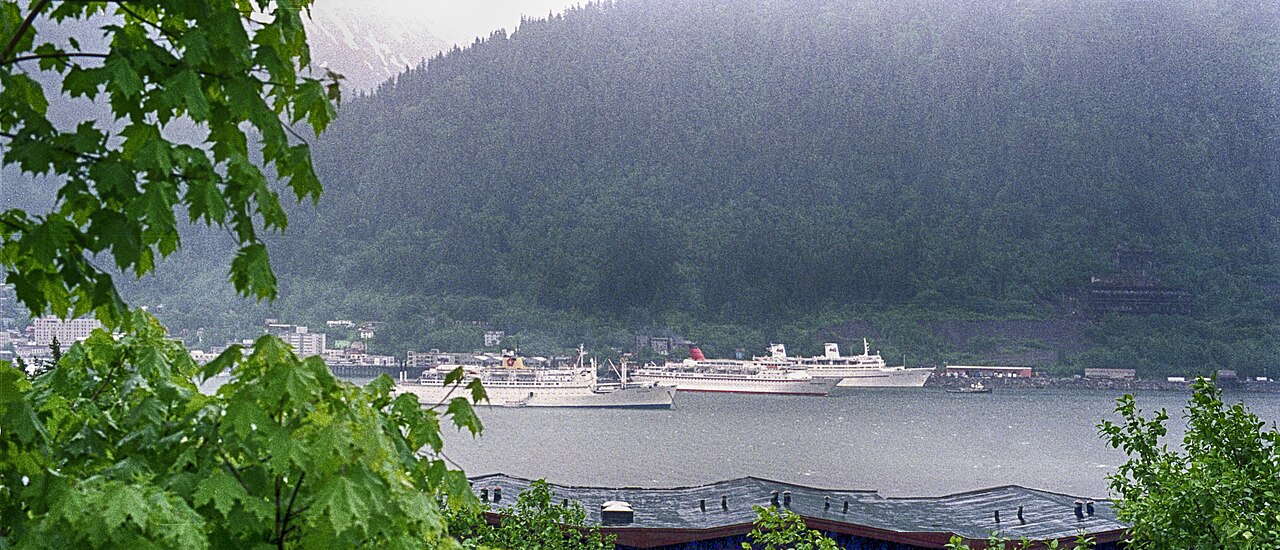
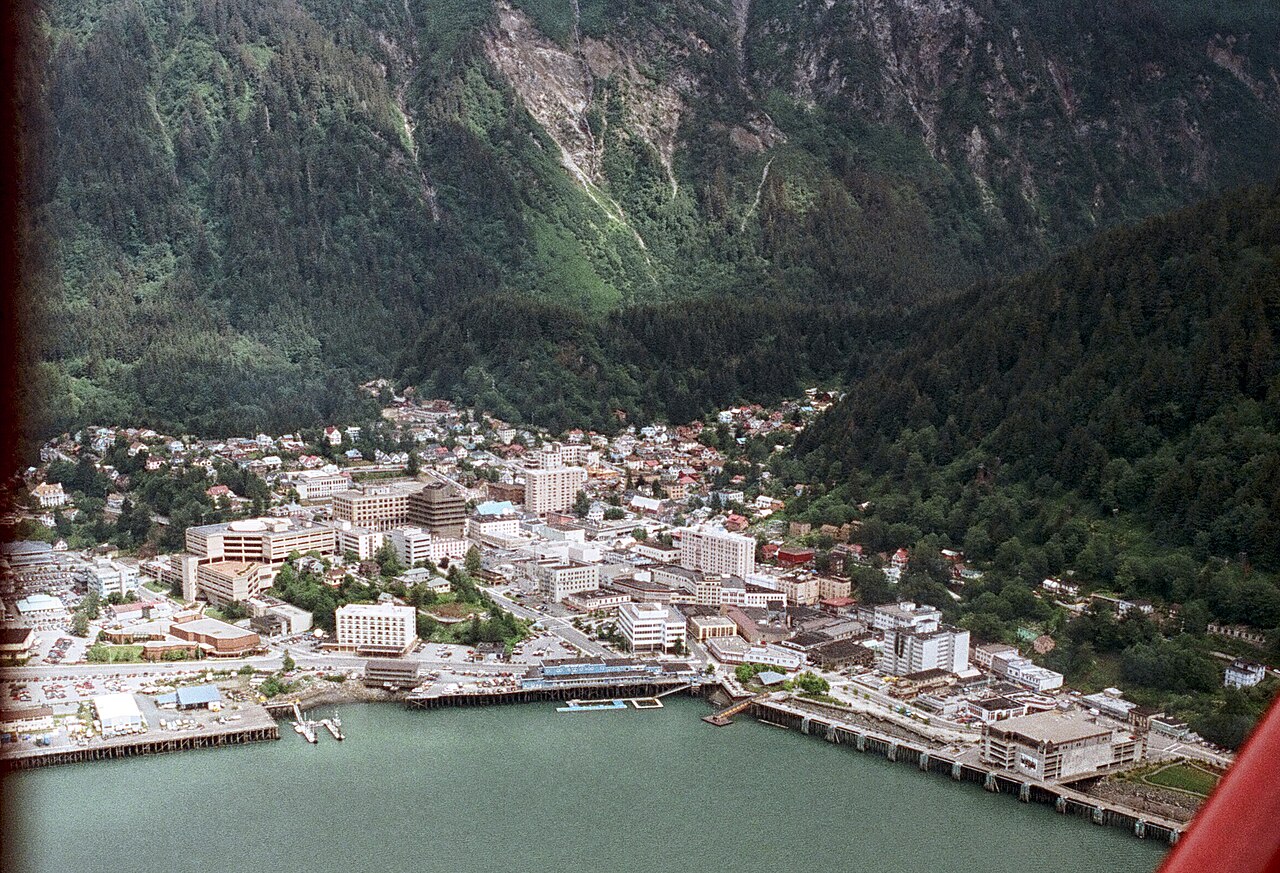
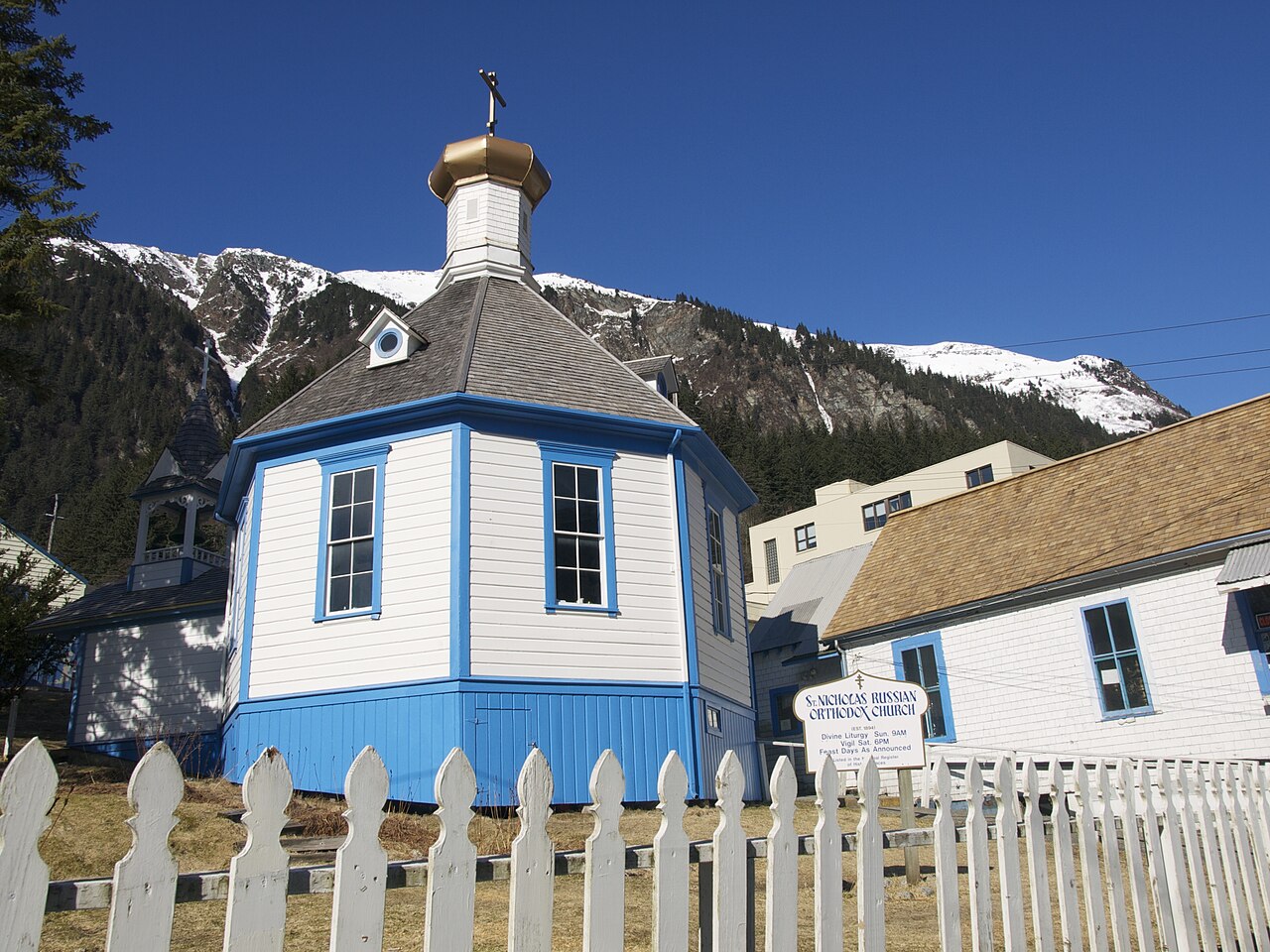
Juneau's significance lies in its role as the capital of Alaska, a position it assumed in 1906 after the territorial legislature moved from Sitka in accordance with a 1900 federal law. The Alaska State Capitol in downtown Juneau was built as the Federal and Territorial Building in 1931. Prior to statehood, it housed federal government offices, the federal courthouse, and a post office. It also housed the territorial legislature and other territorial offices, including that of the governor. Juneau is the home of the state legislature, the governor, and lieutenant governor. The city is a social center for the Tlingit, Haida, and Tsimshian of Southeast Alaska. The St. Nicholas Russian Orthodox Church was completed in 1894 and has maintained an important presence among the Tlingit, Serbians, and other Europeans who follow Orthodox traditions; its iconostasis has six large panels sent from Russia. Juneau's isolation—no roads connect it to the rest of the state or the contiguous U.S.—makes it a de facto island city, with all goods transported by plane or boat. Downtown Juneau sits at sea level with tides averaging 16 feet, below steep mountains about 3,500 to 4,000 feet high. Atop the mountains is the Juneau Icefield, a large ice mass from which about 30 glaciers flow; two of them, the Mendenhall Glacier and the Lemon Creek Glacier, are visible from the local road system. The Mendenhall Glacier has been gradually retreating; its front face is declining in width and height. The city experiences a daily influx of 16,000 or more cruise ship visitors between May and September.
Did You Know?
- Juneau is the second-largest municipality in the United States by area, larger than both Rhode Island and Delaware.
- The city was originally called Rockwell, then Harrisburg, before being named Juneau at a miners' meeting of 72 persons on December 14, 1881.
- The St. Nicholas Russian Orthodox Church, completed in 1894, has an iconostasis with six large panels sent from Russia.
- The Mendenhall Glacier, visible from the local road system, has been gradually retreating, with its front face declining in width and height.
- Juneau experiences a daily influx of 16,000 or more people from visiting cruise ships between May and September.
An Island Without an Island
Juneau holds a singular distinction among American state capitals: no highway connects it to the rest of Alaska or to the contiguous United States. Only Honolulu shares this isolation. The cause is topography. Downtown sits at sea level, where tides average sixteen feet, while steep mountains climb three to four thousand feet above the waterfront. Beyond those summits lies the Juneau Icefield, a massive ice body from which roughly thirty glaciers flow. Two—Mendenhall and Lemon Creek—are visible from local roads, though Mendenhall's front face has been steadily retreating in both width and height. With no road network, the city operates as a de facto island despite its mainland position. All goods and people must arrive by plane or boat. From May through September, at least sixteen thousand cruise-ship passengers pour in daily, swelling a permanent population of roughly thirty-two thousand. Daily life here is governed less by traffic than by tides, mountain weather, and the schedules of small aircraft and ferries.
Sacred Ground & Living Culture
Long before European eyes ever scanned the Gastineau Channel, the Auke people—the A'akw Kwáan—and the Taku tribe had fished these waters for thousands of years. The A'akw Kwáan maintained a village and a burying ground at what is now called Indian Point, returning annually to harvest herring during spawning season. Today they still gather clams, gumboot chitons, grass, and sea urchins, and collect tree bark for medicinal uses. Since the late twentieth century, the A'akw Kwáan, together with the Sealaska Heritage Institute, have resisted European-American development at Indian Point, including proposals from the National Park Service and NOAA. They consider the site sacred, rooted in the ancestral burial ground and its role in traditions of drawing sustenance from the sea. In August 2016, after the city and state supported the Institute's documentation of the seventy-eight-acre property, it was listed on the National Register of Historic Places—the first traditional cultural property in Southeast Alaska to earn that distinction. Juneau also functions as a social center for the Tlingit, Haida, and Tsimshian of Southeast Alaska, whose artistic traditions in carving, weaving, singing, dancing, and oral lore remain a living thread in the community.
Nuggets, Names, and a New Settlement
The story of Juneau begins with a reward. In 1880, Sitka mining engineer George Pilz offered a bounty to any local native who could lead him to gold-bearing ore. A prospect arrived with a sample, and Pilz dispatched a team to investigate. Their first trip to Gold Creek yielded little, but Pilz then sent Joe Juneau—cousin of Milwaukee co-founder Solomon Juneau—and Richard Harris back to the Gastineau Channel, directing them to Snow Slide Gulch at the creek's head. In summer 1879, the two men explored the campsite there and struck nuggets Harris described as 'as large as peas and beans.' By October 18, 1880, they had staked a 160-acre town site, and within a year a camp of tents and shacks had grown into a village of over one hundred people by autumn 1881. It was the first European American settlement founded in the territory after the U.S. purchased Alaska. The name shifted over time: briefly Rockwell, then Harrisburg, after co-prospector Richard Harris, before settling on Juneau—honoring Joe, the Quebec-born prospector whose name now identifies the city and borough.
Seat of Power in a Consolidated Borough
Alaska's capital status arrived in 1906, when the U.S. Congress—having directed the move in 1900—relocated the territorial government from Sitka to the Gastineau Channel. The Alaska State Capitol, which anchors downtown, was originally built in 1931 as the Federal and Territorial Building. Before statehood, it housed federal offices, a courthouse, a post office, the territorial legislature, and the governor's office. Today it remains the home of the state legislature, the governor, and the lieutenant governor, though some executive functions have since shifted to Anchorage and other locations. The modern municipal shape dates to July 1, 1970, when the City of Juneau merged with the City of Douglas and the surrounding Greater Juneau Borough into a single consolidated city-borough. That entity ranks as the second-largest municipality in the United States by area—larger than both Rhode Island and Delaware—yet its 2020 census population of 32,255 makes it the third-most populous city in Alaska after Anchorage and Fairbanks, and the sixth-least populous state capital in the country. Downtown sits at the base of Mount Juneau, directly across the channel from Douglas Island.
Gallery

Frequently Asked Questions
What is Juneau, Alaska?
Juneau is the capital city of the U.S. state of Alaska, perched along the Gastineau Channel in the state's southeastern corner. Its original Tlingit name, Dzántik'i Héeni, is often rendered as 'Base of the Flounder.'
What makes Juneau unique among all U.S. state capitals?
It is the only state capital in the country with no road connection to the rest of North America. The only ways to reach it are by airplane or by boat, which sets it apart from every other capital city.
How did Juneau become Alaska's capital?
Following a local vote authorized by the U.S. Congress in 1900, the territorial government shifted its seat from Sitka to Juneau in 1906. That relocation made it the permanent home of Alaska's state government.
Who is the city of Juneau named after?
The name comes from Joe Juneau, a gold prospector who settled in the area during the 1880s. His surname stuck and became the official designation of the growing settlement that would later serve as the capital.
Why does Juneau, Alaska matter in the bigger picture of American state capitals?
It houses the full machinery of Alaska's state government, including the legislature and the governor's office, despite being reachable only by air or sea. Its geographic isolation makes it a striking example of how terrain can shape the practical realities of American political life.
More in American State Capitals 1-18
Spotted an error? Know more?
This is a living reference — every entry is fact-audited, and reader corrections feed straight into our audit queue. Suggest an edit · See this site's audit record